
Handyman vs Company: How to Know Who to Hire for Small Projects
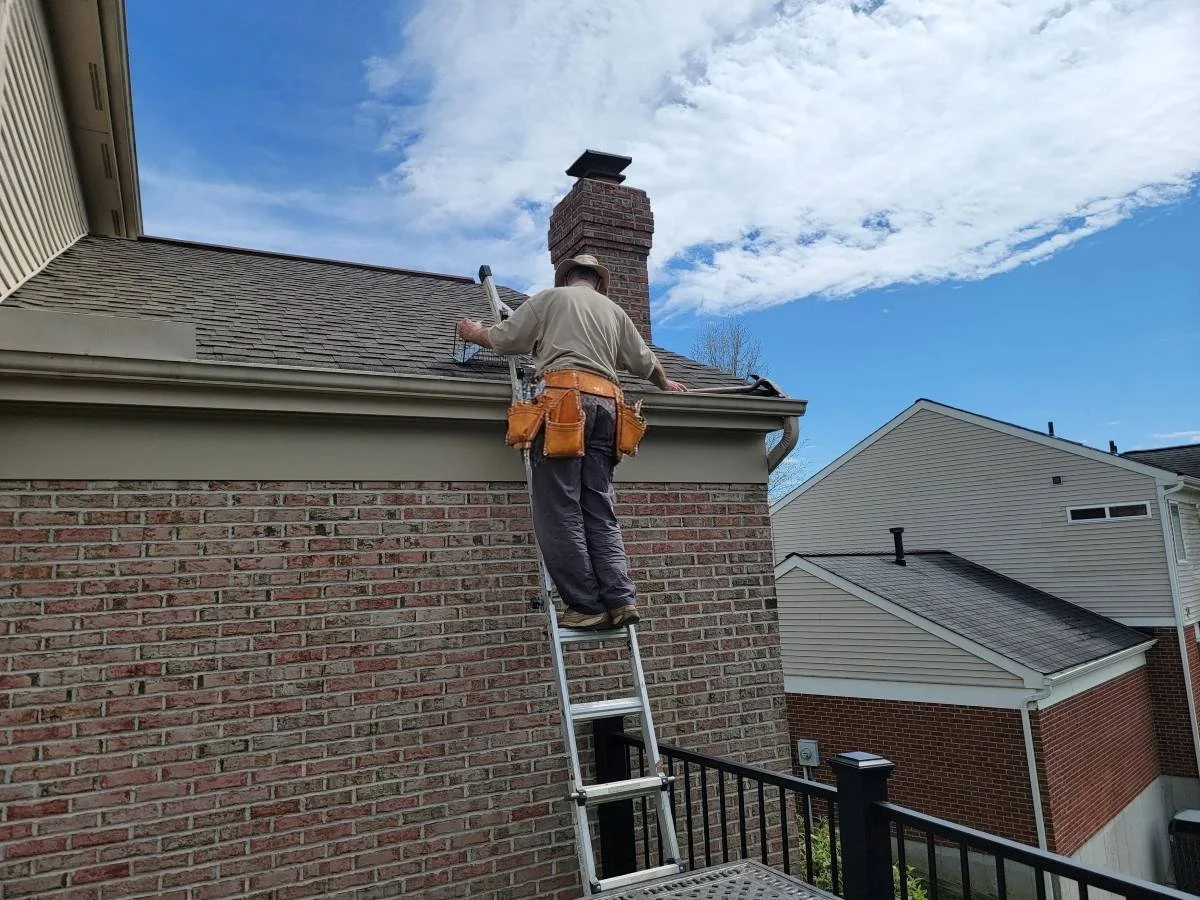
When it comes to home improvement and repair, knowing who to call and trust to perform the work is both the first and most important step in completing any project. When you choose to work with a contractor, you’re trusting that individual or company with your most valuable asset — your home. That’s why it’s so important to understand who you should hire and why.
In this guide, I’ll share examples of common home projects and repairs to explain the key differences between hiring a handyman and hiring a company. We’ll also cover what qualifies as a small project, what really goes into the cost of a job, and the often-overlooked hidden costs behind professional work.
The Homeowner Dilemma: Who’s Right for the Job?
It happens all the time: a few pieces of siding break free, your trim has started to rot, or maybe a downspout on your gutter has fallen off. Inside your home there’s drywall that needs to be patched and painted, an appliance that needs repaired, or maybe a door that needs to be replaced. You know it needs to be fixed, but you’re not sure who to call.
A large construction company might not even return your call for something that small, while a local handyman may seem like the right fit — but you want to be sure the job is done right and covered if something goes wrong while also paying a fair price.
That’s where understanding the difference between a handyman and a licensed company comes into play. Both serve important purposes — but they operate very differently behind the scenes.
What Is a Handyman?
A handyman is a skilled, multi-trade professional who specializes in small to medium-sized home repairs and improvements. Think of them as the Swiss Army knife of the trades — adaptable, experienced, and often able to handle a wide variety of tasks in a single visit.
A good handyman might repair a fence in the morning, patch drywall after lunch, and install a storm door before dinner. That versatility takes years to build. Many have experience in ten or more separate trades — from carpentry and drywall to roofing, siding, and trim work.
It’s easy to underestimate how much knowledge and investment goes into doing that type of work well. Even for what homeowners might consider “simple” jobs — like replacing a few pieces of exterior trim — a handyman still needs specialized tools and equipment:
A metal brake (often $1,200+) to bend and custom-fit aluminum trim (Soffit, Fascia, Siding, & Trim)
A range of saws, compressors, hand tools, and nail guns for clean, professional installs
Ladders, safety gear, and a reliable work vehicle
Insurance, fuel, and maintenance just to operate safely
So while the project itself may seem small, the skill and tools required to do it correctly aren’t. The best handymen price their work fairly — not because they’re “charging too much,” but because they’re showing up with thousands of dollars in gear and years of hard-earned know-how.
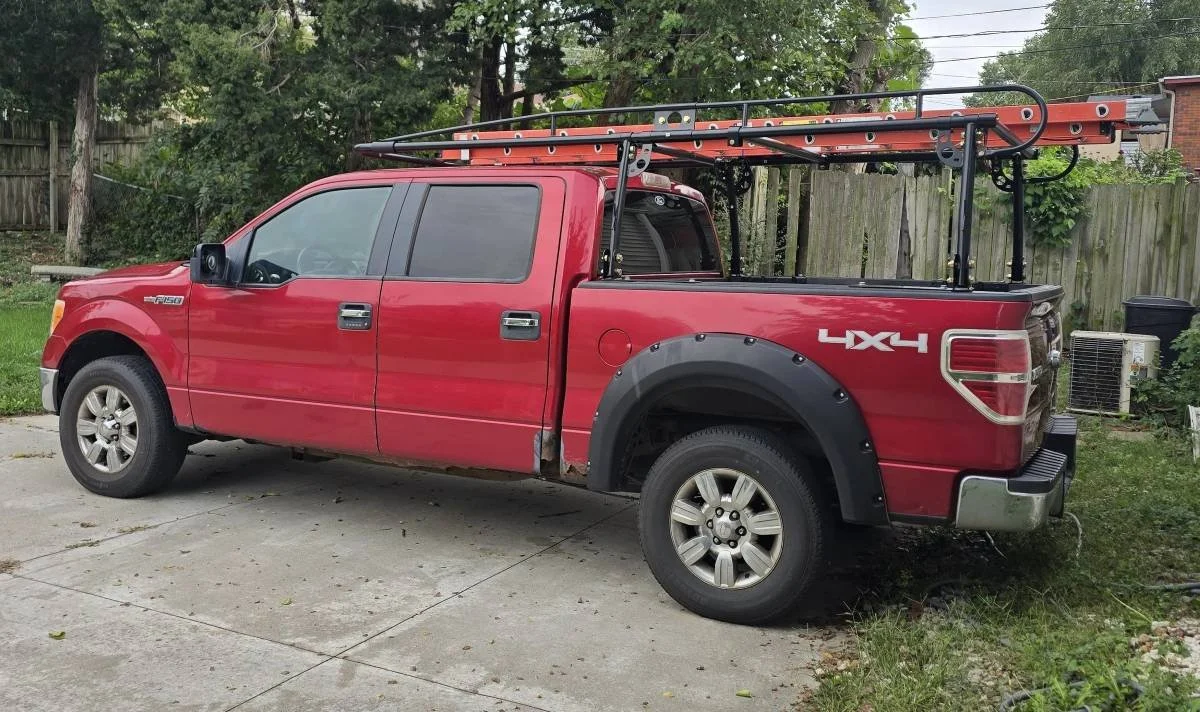
Even small jobs require professional vehicles, ladders, and tools — all part of the real cost of doing business.
What Is a Company / Contractor?
A company, on the other hand, is typically licensed and insured, with a structure built to handle larger or more complex projects. They may employ or subcontract skilled crews who specialize in specific trades — roofers, siders, gutter installers, drywall, painters, and so on.
That specialization allows companies to maintain high standards of quality and efficiency, but it also means they carry higher overhead. Between business licensing, insurance, tools and equipment, payroll, taxes, advertising, and warranties, every job has fixed costs attached before a hammer even swings.
This is why many companies have minimum job charges — often between $400 and $750. It’s not greed; it’s sustainability. Smaller jobs often don’t even break even once setup time, travel, and administrative costs are factored in.
The upside is accountability. When you hire a licensed contractor, you’re hiring a business that’s licensed, carries insurance, warranties its work, and is required to pull permits and follow local codes and regulations.
The Real Cost of Doing Business
One of the biggest misconceptions homeowners have is assuming that the difference between a handyman’s price and a company’s price comes down to “markup.”
In reality, it’s about the cost of doing business.
Even a single-person handyman operation may still have some type of minimum, since they have to pay for tools, equipment maintenance, fuel, materials, taxes, and marketing — and often without the bulk discounts larger companies enjoy.
Meanwhile, a company has additional fixed expenses:
Payroll and workers’ compensation
Vehicle and equipment maintenance
Business licenses, insurance and bonding
Permitting, local/city licensing, and warranty coverage
Marketing, software, and administrative support
So when a company quotes $600 for a repair and a handyman quotes $300, that doesn’t necessarily mean one is overpriced. It means they’re structured differently — one lean and flexible, the other built for larger-scale accountability.
Both have legitimate costs, and both need to charge enough to operate safely and responsibly.
Understanding these costs helps you compare quotes more fairly — apples to apples — instead of assuming a lower price always means a better deal.
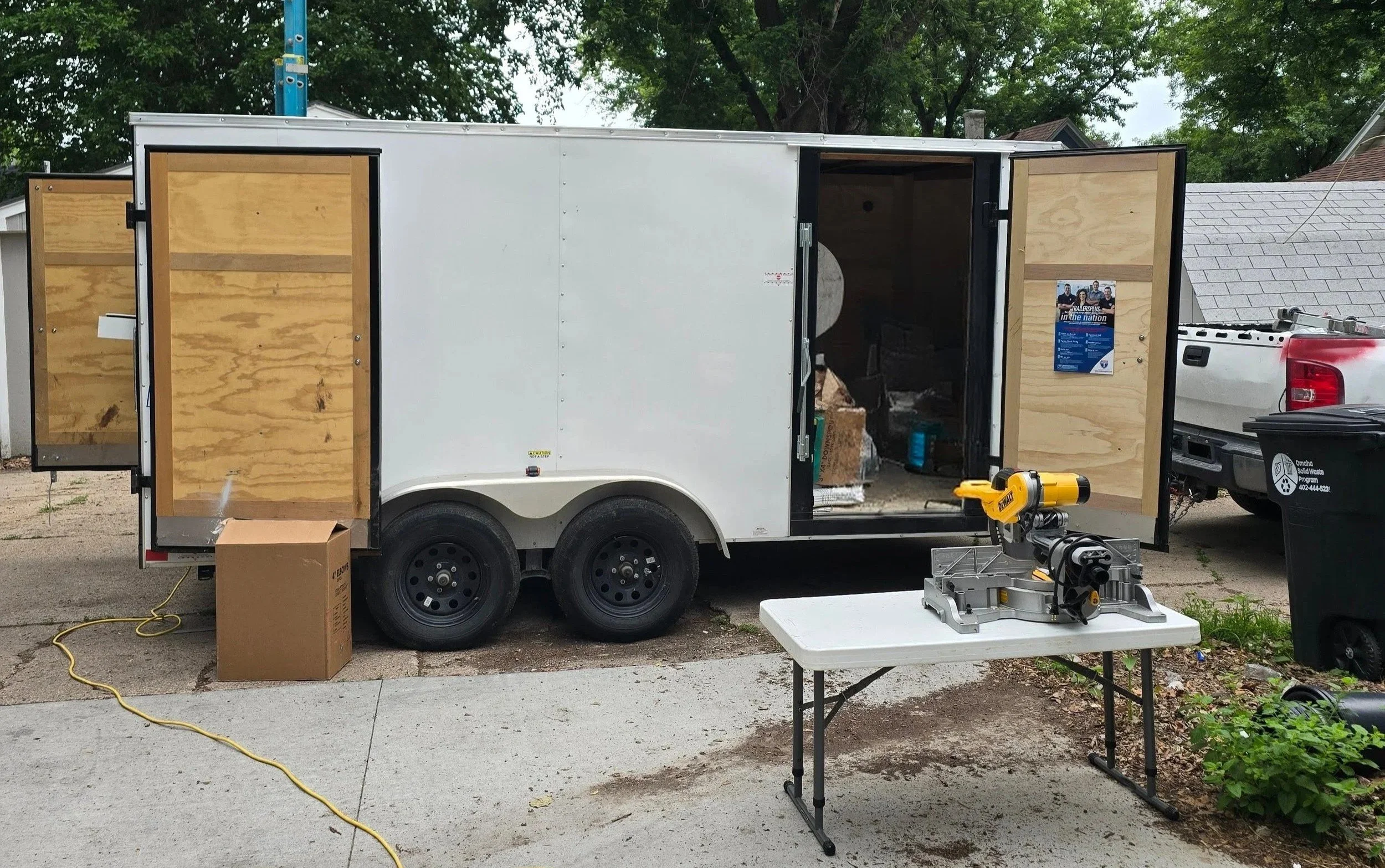
A well-equipped company trailer allows pros to handle small and large jobs efficiently — that’s where experience and organization pay off.
Hiring for the Job — Not Just the Price
When it comes to home repairs and improvements, not every project is the same — and neither is every professional. Some jobs call for precision and a light touch, while others require coordination, permitting, and multiple trades. That’s why choosing the right kind of professional really matters.
If you hire a large company for a small, detailed repair, you might end up overpaying for resources you don’t need. On the other hand, if you hire a handyman for a project that requires multiple trades or specialized materials, they may not have the depth of crew or equipment to handle it efficiently.
The goal isn’t to pick one over the other — it’s to hire for the job itself.
For example:
A handyman might be the perfect fit for patching siding, repairing soffit, replacing a single window, or installing trim — quick, localized work that doesn’t require a large crew or heavy logistics.
A company is a better fit when the job is structural or ties into a bigger system — like a roof leak that might involve decking, flashing, or ventilation issues. Hiring a company is also a smart consideration for larger projects involving multiple windows or larger areas of repair. In those cases, you want someone who can handle everything start to finish and warranty the work.
When you hire based on job type rather than title, you’re setting the project up for success. You’ll get the right expertise, the right tools, and the right attention to detail — all at a price that makes sense for what’s actually being done.
The real “accountability” isn’t just in paperwork or insurance — it’s in making sure the person you hire has the tools, experience, and structure to do that specific job correctly the first time.
A good handyman can be an excellent resource for a wide variety of small repairs. When hiring one, always ask to see photos of past work — ideally from similar projects — and request references if possible. Many skilled handymen maintain an online presence through platforms like Facebook or Nextdoor, even if they don’t have an official Google Business Profile. At the very least, a professional handyman will also carry some form of liability insurance.
The Best of Both Worlds: The Owner-Operator Advantage
This is where things get interesting.
There’s a growing space between traditional handymen and large contracting companies — small, owner-operated companies that are structured to handle both small repairs and larger projects. These companies will vet and employ experienced crews for bigger projects while still taking on small jobs.
These businesses often have the same licensing, insurance, and accountability as a full-scale company but operate leaner — with lower overhead and a more personal touch.
What really sets these owner-operator companies apart is the total involvement of a dedicated owner. Many of these owners started as handymen themselves and have years of hands on experience and personal knowledge. Because they are a smaller company, they may choose to do the work themselves just like a handyman, or deploy a dedicated worker that they have trained / vetted themselves.
Sometimes these professionals go a step further than just being licensed and experienced — they pursue national certifications, such as ICC credentials, even when their city or state doesn’t require it. That added layer of knowledge and credibility ensures homeowners receive workmanship that meets or exceeds national building standards.
That means homeowners can get:
The protection of a licensed, insured company
The flexibility and responsiveness of a handyman
Fairer pricing on any size job both big and small
The same high-quality tools, materials, and standards used by larger contractors
For example, an owner-operator might specialize in smaller roof or siding repairs that most companies avoid, but with all the same protections and professionalism. That’s truly the best of both worlds — craftsmanship backed by accountability.
If you can find a small, licensed company that focuses on smaller repairs and exterior work, you’ll often get higher quality at a better price — and the confidence that the work is done right.

Owner-operated companies often bridge the gap — investing in professional setups like this while keeping costs lean and quality high.
Final Thoughts
There’s no single “right” choice between a handyman and a company — only the right fit for the project.
A handyman brings flexibility, skill across multiple trades, and the ability to handle small repairs quickly and efficiently. A company brings structure, insurance, warranties, and trade-specific crews that ensure long-term results.
And somewhere in the middle, you’ll find smaller owner-operated companies that blend both worlds — licensed, insured, and capable of tackling small jobs without the heavy overhead or inflated pricing.
At the end of the day, it’s not about finding the cheapest option; it’s about hiring someone you can trust to protect your home, show up prepared, and stand behind their work. Because good work — whether from a handyman or a company — is never an expense. It’s an investment in your home’s safety, longevity, and value.
If you’re in the Omaha area and need help with small exterior repairs — roofing, siding, fascia, or trim — Total Elevated Roofing specializes in exactly those detailed projects most companies overlook. You’ll get the expertise of a licensed company with the hands-on attention of an owner-operator.
Learn more about our services or contact us today to schedule an inspection or estimate.
